





Scaling climate action through natural solutions
Nature-based solutions that benefit both people and planet
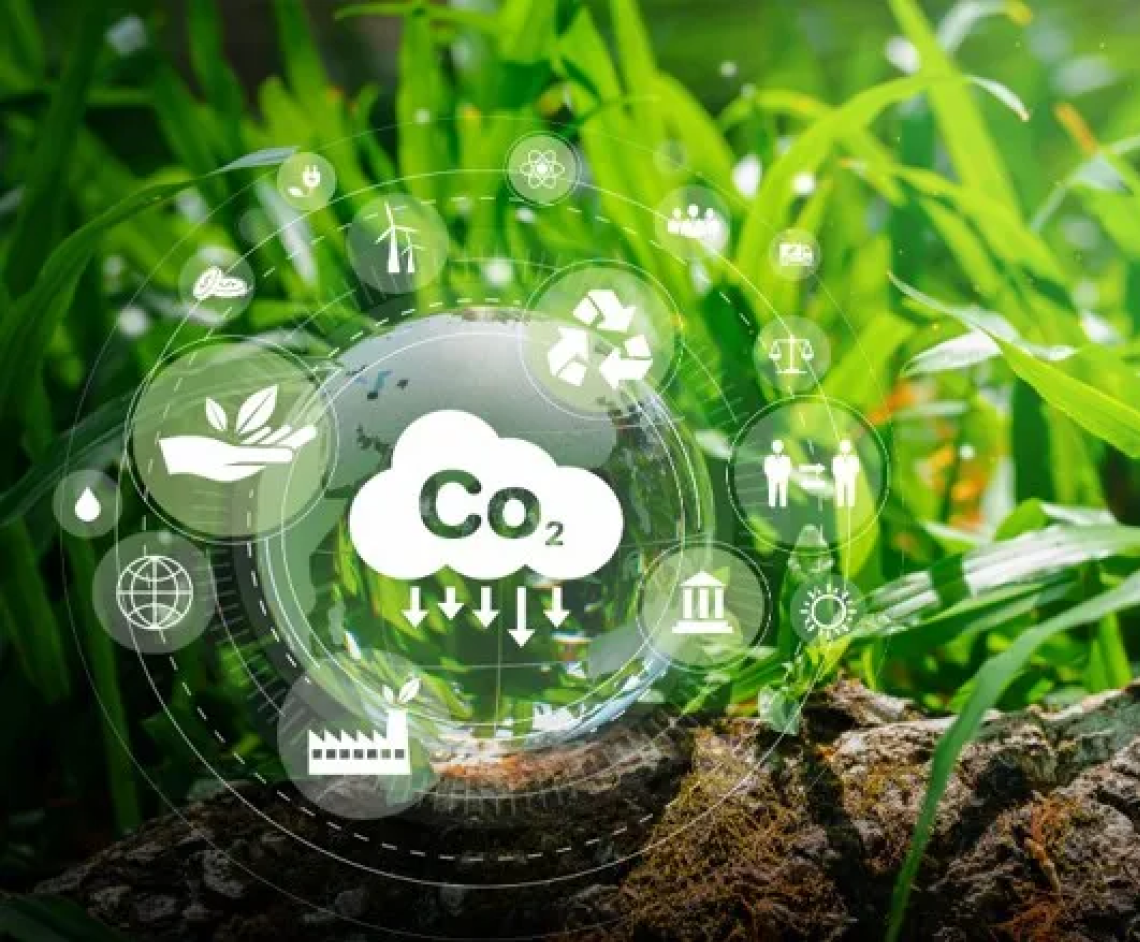
Nature-based solutions (NbS), as defined by the UN Environment Programme, are actions to protect, sustainably manage, and restore natural and modified ecosystems that address societal challenges effectively and adaptively, simultaneously benefiting people and nature.

The business case for exploring NatureBased Solutions
Well designed, planned and delivered NbS projects can provide a high impact way for businesses, communities and countries to reduce their emissions through harnessing the natural capital of their land, or investing in that of others, for carbon sequestration.
The UN estimates that high integrity Nature based solutions projects could compensate for/capture up to 10 gigatonnes of carbon dioxide (GtCO2) per year ( approximately 27% of current global annual emissions) (2023). These projects are key to meeting global climate, biodiversity targets, and the SDGs.
Supporting Integrity at Every Stage
Our work is guided by principles of transparency and honesty, ensuring that ethical decision-making is at the core of all we do.
Our current collaborative projects include:
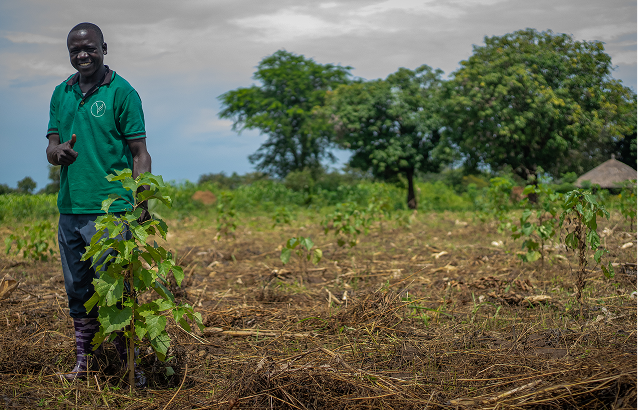
Kijani (Northern Uganda)
A flagship agroforestry initiative supporting smallholder farmers and local communities
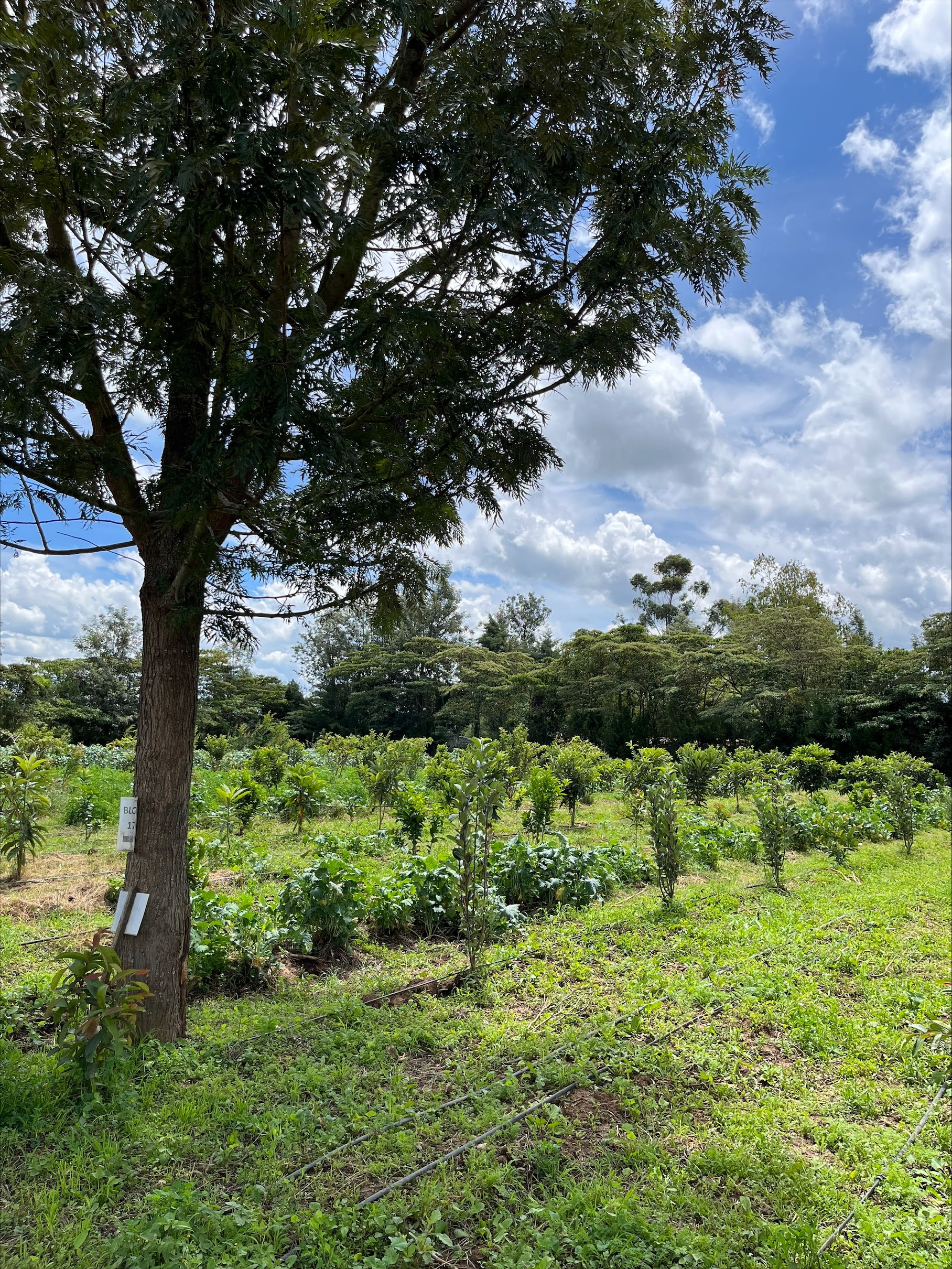
Kuza Miti (Central Kenya)
A pilot project under development that leverages tree planting for climate and community benefit
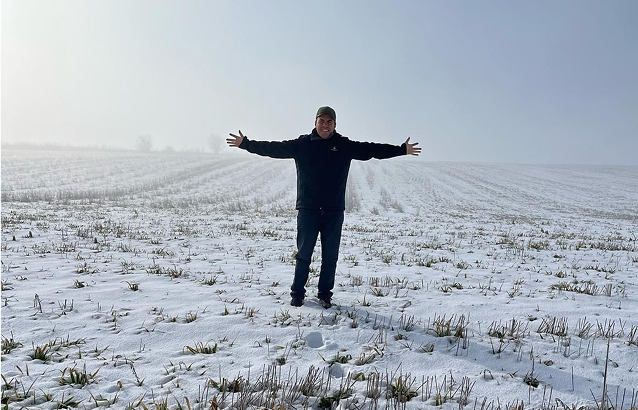
Bulgarian Sustainable Farming Carbon Project
Advancing regenerative practices to restore soil health, sequester carbon, and rebuild biodiversity
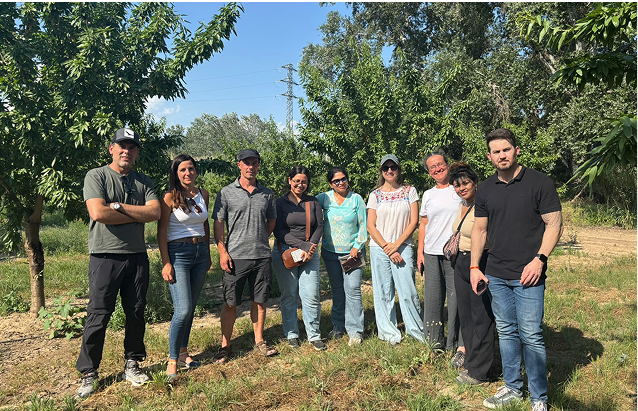
Regenerative Agriculture in Spain
Promoting sustainable land management and increasing carbon sequestration in soils
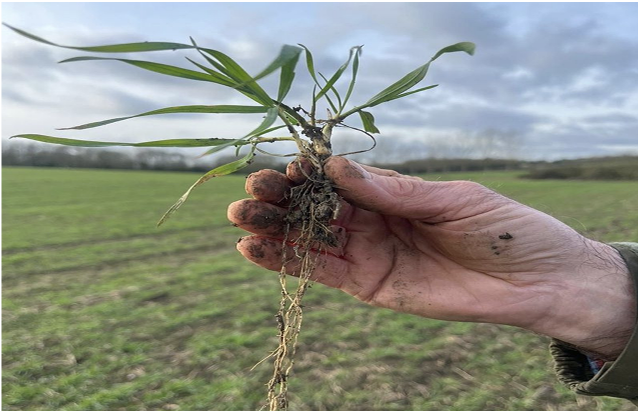
UK Regenerative Farming Project
Raising farmer awareness on the climate benefits of regenerative practices
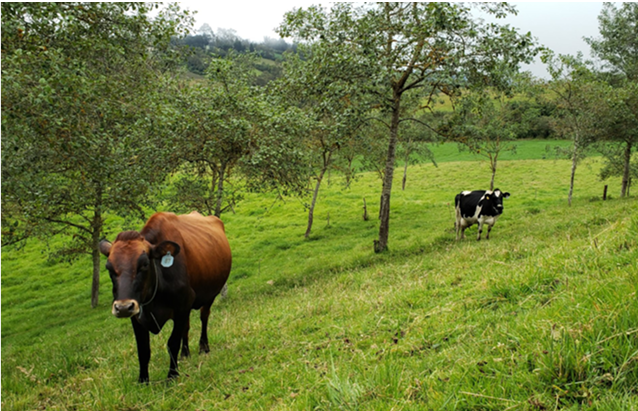
Silvopastoral carbon project (Uruguay)
An innovative agro-forestry and livestock approach to restore degraded land due to overgrazing (in Partnership with Climit).
Looking to secure additional revenue from your existing Nature-Based Solution project?
We are interested in hearing from existing projects with community-driven, nature based solutions approaches, who are interested in utilising the power of the carbon market. We would love to hear from you to explore collaboration, using our Monitoring, Reporting and Verification (MRV) expertise to support high quality projects.


Support for NbS projects in development?
Are you already doing great things with NbS? Have you been planting trees? If so, we could support you with generating carbon credits. We're expanding our small grant programme to offer support for NbS projects in development.
Frequently asked questions
Find answers to commonly asked questions about our services and initiatives.
What is FLAG and does it apply to my organisation?
FLAG stands for Forestry, Land Use, and Agriculture.
If your organization has significant FLAG-related activities within its value chain, then SBTi mandates that FLAG emissions must be accounted for and targeted separately from standard energy and industrial (non-FLAG) emissions.
How can OCW support organisations with Forest, Land and Agriculture (FLAG) emissions?
OCW has FLAG accounting experts who can support your organisation no matter where you are along your emissions reporting journey.
We have supported organisations with data collection, quantifying annual emissions, providing recommendations on how to reduce these emissions, and setting targets aligned with science-aligned pathways.
What is a natural asset and why is monitoring it important?
A natural asset is a component of the natural environment that provides value through the ecosystem services and benefits it supports. Natural assets can include soils, forests, woodlands, rivers, wetlands, grasslands, coastal habitats and other ecosystems.
Appropriate measurement and verification can help organisations understand natural assets and the benefits they provide, including carbon storage and sequestration, biodiversity and wider ecosystem services. It can also strengthen the evidence supporting nature-based interventions and help organisations communicate environmental outcomes more transparently.
What are nature-based solutions?
Nature-based solutions are actions that protect, manage or restore nature to address a particular challenge. They can contribute to climate change mitigation through carbon sequestration while also enhancing adaptation and resilience to climate impacts.
Examples include sustainable land management, regenerative agriculture, reforestation and afforestation. These approaches can also provide wider benefits such as water regulation, food security and economic development.