






COP30 in Belém was an experience defined not by a single moment, but by the sheer breadth of what was happening at any given hour. Anyone who has ever attended a COP knows they are large, but recently COPs have grown so large they feel almost like a small city in motion. Between Belém itself, the Leaders’ Summit earlier in the month, the business gatherings in São Paulo and the Earthshot awards in Rio, the mobilisation seemed to stretch across both geography and time. Even the most seasoned and sizeable delegations acknowledge they don’t seek to cover absolutely everything, and prioritise discussions and events of most interest or relevance. We found the same: you don’t go to COP, you navigate it.
To take the formal negotiated text as an example. The headline deliverable from governmental negotiations, the Belém Political Package encompassed sixteen formal decisions, many of them long, dense and weighty; covering a range of technical issues from mitigation pathways, adaptation clarity, transparency obligations, the next round of national climate plans, and the mechanisms for reporting.
In addition to this political package, nine other decisions addressed key procedural and technical matters, including carbon market rules under Article 6. Despite having technically signed off all major issues last year, Article 6 negotiations remain tricky: while COP30 clarified aspects like corresponding adjustments and credit authorisations, fundamental questions on removals, market integrity, and the treatment of low-quality credits remain open. The texts were incremental, but they did provide guidance for next steps, signaling cautious but tangible progress.
Expectations had been high for Brazil. The world came looking for reassurance: a sense that runaway warming could still be avoided, that major emitters would deepen the ambition set out in their plans, and that the hosting in the Amazon could anchor a more ambitious global vision on the role of nature and the need for inclusive solutions. In the pavilions and corridors, calls for ambition was everywhere: expressed differently depending on who we spoke to, but consistently present.
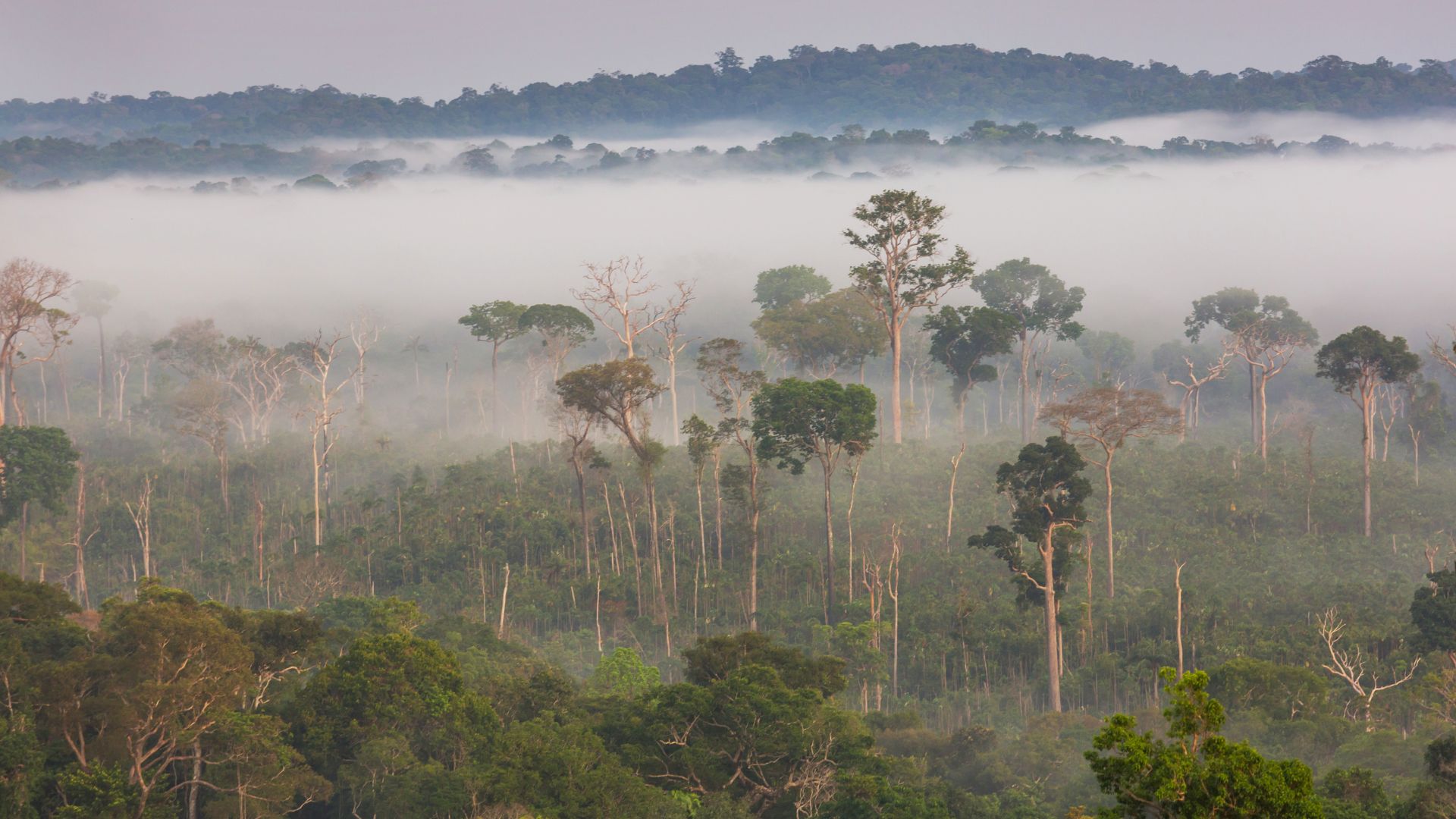
The Amazon gave COP30 its strongest storyline: forests were finally at the centre of global climate politics. The surprise triumph was the launch of the Tropical Forests Forever Facility, a radically different model for climate finance that treats forest nations not as recipients but as co-architects, investors, and donors. With $5.5 billion pledged and a rule that 20% of all benefits must go directly to Indigenous and local communities, this could herald the beginning of a new financing era. Implementation, as ever, will be key. Unfortunately, efforts to agree to end global deforestation failed to pass consensus in the negotiations, but Brazil launched a roadmap, supported by over 90 countries, to build momentum behind this initiative before the next COP.
Adaptation, often overshadowed by mitigation, finally stepped into the light. Countries adopted a detailed set of indicators to measure progress and agreed to triple adaptation finance by 2035 (to $120bn annually). It's ambitious and far from guaranteed, but undeniably a shift in momentum. Meanwhile, a push to agree a transition away from fossil fuels (the expected headline) gained traction with more than 80 countries but was blocked from expected quarters. While the language did not survive into the final negotiated texts, the aim continues to gain ground - a coalition of high-ambition countries has grouped around this, hoping to revive the fight at COP31.
Climate finance, as always, was the most challenging discussion. For all the excitement around TFFF and the adaptation finance goal, negotiations seem unable to move beyond long-held, well-rehearsed disagreements between developing countries and developed countries. This means there remains in formal talks a disappointing focus on public finance, rather than embracing the catalytic scale that the private sector can bring. The picture was much brighter – and more realistic - in the numerous side events, pavilions, bilaterals and margins conversations, with a wide range of actors advocating for, and building the networks to deliver, the transformational blend of multistakeholder multiple-source finance that is needed, even if negotiators struggle to formally acknowledge it.
Civil society, Indigenous peoples, cities, regions, and business actors were louder, bigger, better organised, and arguably more influential than in past years. The Indigenous Peoples Pavilion sought to act as the conscience of the summit, as did Brazil’s active Minister for Indigenous Peoples. We were struck by the number of businesses seeking to play the role of pragmatic actors pushing real solutions. The concerns that industry would quietly dilute ambition didn’t match what we witnessed. And for the first time, global trade made a serious appearance, nudged into relevance by the EU’s carbon border adjustment mechanism - a conversation which in our view belongs in other multilateral fora, if at all, and which was moved out of the formal talks and into a two-year dialogue.
Belém ended with as many beginnings as conclusions. Two roadmaps (transitioning away from fossil fuels and halting deforestation) didn’t make it into the final text, but since these topics remain critical to the success (or not) of the climate transition, many actors vowed to double-down until they were given the prominence they deserve. The Brazil–Azerbaijan–Australia presidency “troika” will continue to work before COP31 in Turkey to encourage those countries who haven’t done so update their NDCs, to ramp up adaptation finance , and to support the TFFF to deliver. Whether they succeed in doing so will indicate whether this decade is finally shifting from rhetoric to real-world results.
The absence of the US delegation, whilst much talked about (and certainly impacting negotiations) was somewhat offset by state and municipal leaders filling the space: governors, city officials, community coalitions. Many arrived with detailed transition plans, and tech companies highlighted green digital initiatives, even while the emissions from global data centres continue to rise. It has happened before: when governments pull back, others step forward, and this year was no exception.
This was matched by our increasing sense that the real energy of COP was happening outside the formal negotiation rooms. Negotiations shape the direction (they always have) but the drive toward implementation has become far more visible in the pavilions, roundtables, and side gatherings where businesses, cities, standard-setting bodies, investors, and researchers meet. We could feel it in Belém: a kind of informal determination, people focusing less on the wording of text and more on the practical work of delivery.
Two reflections stayed with us. Laurence Tubiana’s reminder that the UN provides the direction and the rest of the world delivers felt especially relevant in Belém, where delivery was on everyone’s lips. And Wangari Maathai’s words, that small actions taken by citizens are ultimately what shape change, echoed through conversations that emphasised community, local leadership, and the rising influence of non-state actors.
As we left COP30, what lingered wasn’t a single announcement or headline. It was the sense that climate action is now propelled by a wider set of actors than ever before. Governments still set the frame, but momentum is increasingly built by those operating outside formal negotiation halls. We were both encouraged and enthused to see this determination to act – that others share our mission to journey to net zero, and to support and encourage others by sharing pathways and best practice.
The texts that emerged from the Belém Political Package and related decisions will guide the technical work ahead, from NDC enhancements and carbon markets to finance planning and adaptation measures. COP30 did not resolve every negotiation or answer every challenge, but it reinforced an important truth: climate action now depends not only on what is agreed, but on what is carried forward by those who refuse to wait for perfect consensus before they begin.
Our Projects

.png)


